


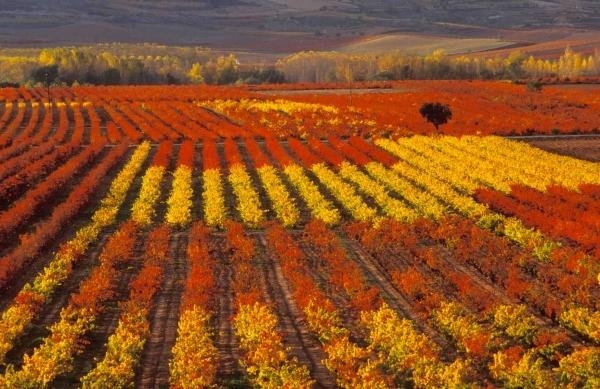
Fruit Road runs through the north east of several places in Prahova county, aimeing to facilitate the development of the northern part of the county, known as being the generous fruit producing area.
The road connects 18 cities from Prahova county and points 28 tourist stops. Tourists that walk on the Fruit Road get into village’s community world , discovering local customs and holidays and learn something about the craftsmanship of the place and about hills and orchards from Prahova.
You can taste the products or participate in fruit picking, wine and brandy making, preparing jams and picking up of the herbs. We start from the village Adunati, where fruit growing is one of the predominant activities, apple and pear trees cultures representing 90% of total fruit production.
Here we can enjoy the tranquility and fresh air in the tourist area Borungoci and nature reserve cliff landscape Costisata. At Adunati are trees, protected by law, such as walnuts, willows, poplars. Next stop is Breaza the well known spa resort, also called second Swiss Davos.
It is a natural enviroment for treating cardiovascular, respiratory deseases, etc. Poiana Campina stands by salty spring water baths discovered in 1904. Here were built first bathrooms, set in a garden with fruit trees and meadows.

Here lived leading representatives of Romanian culture: I. Eliade-Radulescu, Dr. C. Istrati, BP Hasdeu, N. Grigore etc.
You can visit: Iulia Hasdeu Castle, which was built between 1893-1896 by her father, Nicolae Grigorescu Memorial Museum Nicolae Grigorescu (over 100 paintings and drawings).
Teleaga is a village documented since 1562. Hereis Doftana lake, formed by a former salt mines.It urrently has 1334 square meters and a depth of 45 m and a high salt content. Baile Teleaga are recomanded for rheumatic diseases, neurological and gynecological diseases.
Scorteni is a village, famous for famous for„Cuvioasa Paraschiva church”, built in 1700. Cornu is recomanded for the treatment of neurosis and cardiovascular and respiratory diseases with the help of salt water springs. Here you can visit Village Museum, founded in 1950.
The nest stop is Brebu locality, situated on a terrace on the river Doftana and river Lupa, whose beauty has inspired many artists: N. Grigorescu, Stefan Luchian and others. Brebu Complex architectural consists of royal houses, church, wall premises and the bell tower, all built by Matei Basarab in the town center, all being considered the most representative Romanian architecture, achieved in the XVIIth century.
Dumbravesti is a hilly area in the Centre of the county, attested from the end of the XVth century. Varbilau is situated in a fruit growing area of great tradition, where plums, apple tres, pear trees and walnuts predominate on an area of 600 ha. Here is the legendary Outlaws Fountain.
Alunis is located on the river bank with the same name, having miraculous powers, as as the Folk saying says “I made charmes with walnuts and the bite healed …” Slanic is a balneoclimateric resort in the North of the county, famous for its Salt Museum. Teisani, from the river with the same name, is known for its grove of lime.
Valeni de Munte has the following Landmarks: Assumption Monastery, Heroes Monument, Museum of Religious Art, Nicolae Iorga Museum. Drajna is hosting: Manor Filipescu, Water Mill and Roman Camp, special sites.
Posesti dates from 1582. Bătrâni is situated northeast and was established in 2005. Starghiojd is the oldest village in the area. Here is a rock that says “where Tatars are mentioned “.
Fruit Road is a route worth takeing, in order to understand and appreciate the beauties that Prahova county has to offer.


Leave a Reply
You must be logged in to post a comment.