by aud.09 | Dec 6, 2015 |
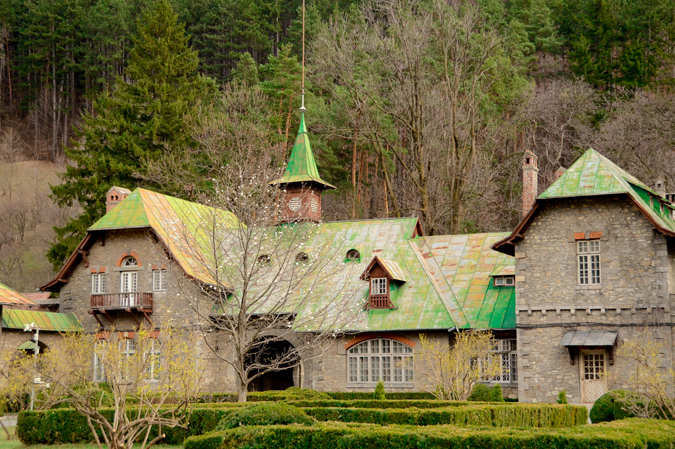
Located in Campina, the museum works in “Iulia Hasdeu Castle” – unique building with heavy symbolism, built between 1894-1896 according to the plans made by the architect Toma Dobrescu, after the indications given by B.P. Hasdeu himself, received – as he confessed – from his deceased daughter, Iulia, in spiritism sessions. The uniqueness of the building is given by the combination of the architecture and decorations in a series of symbols that provide the temple a strange metaphysical atmosphere. A memorial museum runs here since 1965 (with interruptions during 1977-1995). The exhibition documents the history of Hasdeu family: documents, family photos, manuscripts, furniture and personal objects that belonged to the scholar and his family. An interesting point of the exhibition is represented by pieces talking about Hasdeu’s passion for spiritism. Hasdeu Museum is the most visited target in the entire area of Campina; it is a very active and dynamic cultural institution, frequently organizing high quality artistic and scientific events, that rivals those of the Capital City. Program: Monday: closed. Tuesday – Sunday: 9.00 – 17.00 (March 1 to October 31) 8.00 – 16.00 (November 1 – 28/29 February) Visiting fee: 10 lei – adults; 6 lei – pupils, students, pensioners (audio guide included). Reduced fees for groups. Thursdays, visits are free....
by aud.09 | Dec 6, 2015 |
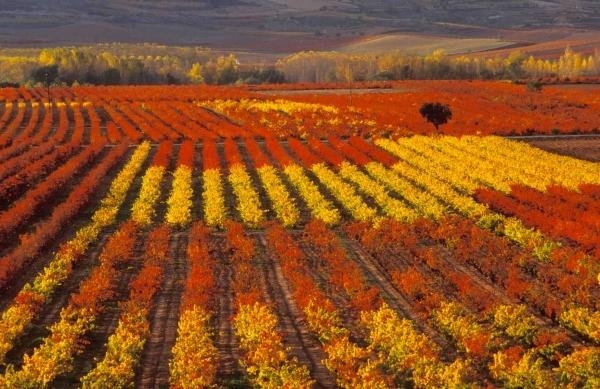
Posada Hunting Museum was inaugurated on November 26, 1996 as a department of historical Romanian museum: Peles National Museum After extensive renovations and connection made in 2004 with strong financial support of the National Forest ROMSILVA heritage which is under Government Decision museum Hunting Posada has reopened on 25 April 2004 with work Assembly General CIC (Council of Institutional hunting). You will surely be surprised to notice new ideas, materials and modern media means used to redevelopment but also the much nicer ambient atmosphere presentation of the thundering collections of art: from the impressive collection of trophies (2400 pieces) to works of art, HUNTERS or utility-specific hunting objects, weapons specific to various stages of human evolution . The establishing of Posada Hunting Museum of the Carpathians “RA” represents a cultural and educational act for knowledge and protection of fauna in the country. Romania has a rich flora and fauna biodiversity, recognized in time and space. In this context, exists ecological hunting of Romania, valuable not only in terms of numbers but also of the diversity and vigor, highlighted by the quality trophies. The existence of the valuable collections held in deposits of Posada Hunting Museum Complex awarded at national and international exhibitions have imposed the establishment of this museum. Program: Tuesday – Sunday: 9:00 to 5:00 p.m. Monday: closed Prices: Visit the Preschools, pupils, students and pensioners (with valid ticket) = 7 Lei Adults = 10 Lei Rates that include visiting the ground floor, 1st floor and 2nd floor: Children, pupils, students and pensioners (with valid tickets) = 10 Lei Adults = 15 Lei...
by aud.09 | Dec 6, 2015 |
Fruit Road runs through the north east of several places in Prahova county, aimeing to facilitate the development of the northern part of the county, known as being the generous fruit producing area. The road connects 18 cities from Prahova county and points 28 tourist stops. Tourists that walk on the Fruit Road get into village’s community world , discovering local customs and holidays and learn something about the craftsmanship of the place and about hills and orchards from Prahova. You can taste the products or participate in fruit picking, wine and brandy making, preparing jams and picking up of the herbs. We start from the village Adunati, where fruit growing is one of the predominant activities, apple and pear trees cultures representing 90% of total fruit production. Here we can enjoy the tranquility and fresh air in the tourist area Borungoci and nature reserve cliff landscape Costisata. At Adunati are trees, protected by law, such as walnuts, willows, poplars. Next stop is Breaza the well known spa resort, also called second Swiss Davos. It is a natural enviroment for treating cardiovascular, respiratory deseases, etc. Poiana Campina stands by salty spring water baths discovered in 1904. Here were built first bathrooms, set in a garden with fruit trees and meadows. Here lived leading representatives of Romanian culture: I. Eliade-Radulescu, Dr. C. Istrati, BP Hasdeu, N. Grigore etc. You can visit: Iulia Hasdeu Castle, which was built between 1893-1896 by her father, Nicolae Grigorescu Memorial Museum Nicolae Grigorescu (over 100 paintings and drawings). Teleaga is a village documented since 1562. Hereis Doftana lake, formed by a former salt mines.It urrently...
by aud.09 | Dec 2, 2015 |
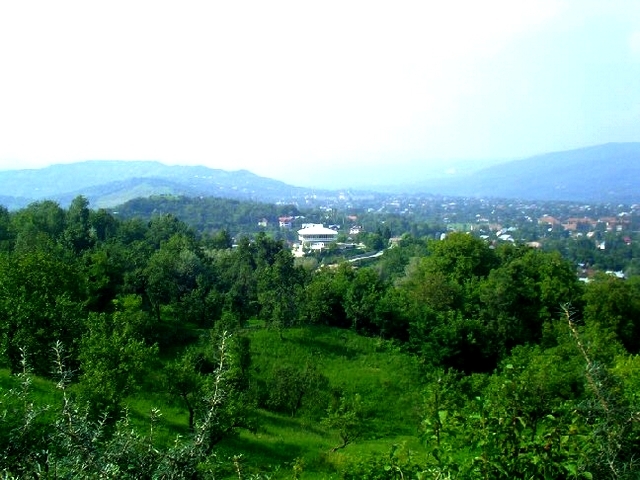
Breaza spa is situated in Prahova County, south of the city of Comarnic and northwest of Campina, the Carpathian area, at an altitude of 380-450 m. The enriched with ozone and negative ions air from the area has a therapeutic effect. Asthenic neurosis, asthenic syndrome, neuromuscular diseases endocrinometabolic diseases (diabetes, hyperthyroidism and dyslipidemia), peripheral circulatory trouble, hypertension, respiratory diseases, anemia can be cured in Breaza spa. The mineral water springs in the area are sulphurous, sulphate, calcium, sodium, hypotonic and are used for treatment of certain disorders such as neurosis, cardio-vascular, respiratory, biliary disorders. These have been known locally since 1883 because Russian general Pavel Kiseleff sent sick soldiers for treatment there. City’s springs received Diploma of Honor for special therapeutic qualities at the Exhibition from Vienna, in 1873. Sights: – Church of St. Nicholas, located at the crossroads of Republicii and Gării streets, was founded in 1777 by Prince Alexander Ypsilanti. This church was declared a historical monument due to its interior and exterior architecture and paintin, but also for its age of more than two centuries. – The Mansion “Toma Cantacuzino”, is situated in central park, being built by Thomas Cantacuzino back of the seventeenth century. – The church “Sfântul Gheorge” was built in 1830 by Nicolae Saegiu.. Internally, tempera paintings made by Radu Vintilescu was partially restored by the painter Calinescu in 1963. – “Schimbarea la fata” Church, built in 1892 on the site of an older is in Capu Câmpului. It is painted in oil, it has two towers and the veil is made of wood. Breaza resort is one of the most important sights of the Prahova Valley, an objective...